Marilyn's Passion for Mental Health Advocacy
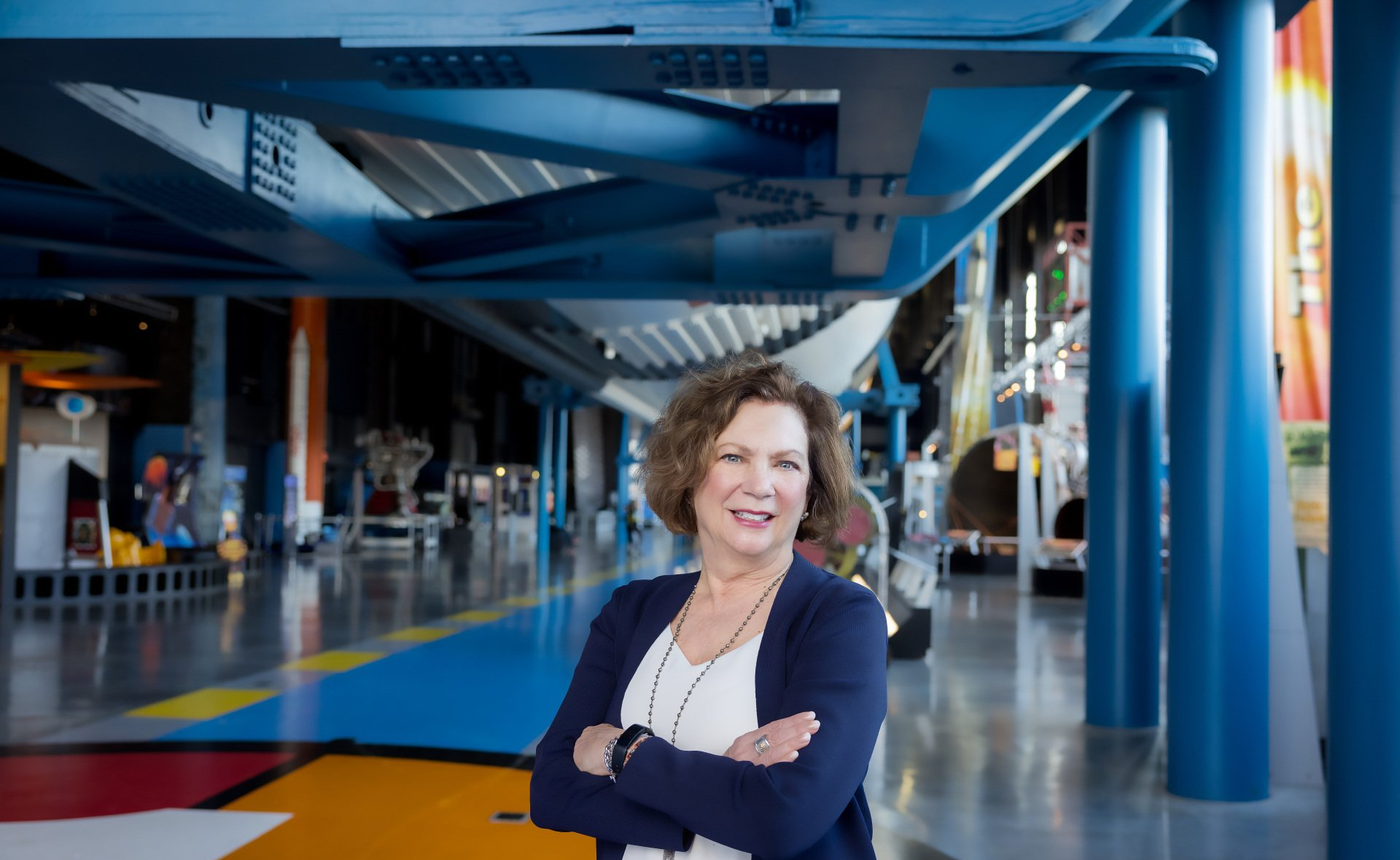
We spoke with Marilyn Lands to discuss her passion for mental health awareness and advocacy, as well as to learn some tips and tricks she’s gathered from her career as a Licensed Professional Counselor.
Q. What inspired your passion for mental health?
At the time, I didn’t realize how many things in my life influenced my decision to go back to school and shift my career path towards counseling. My grandmother lived with bipolar disorder—she would be depressed for months at a time, unable to leave her chair, and then become manic, wearing bows and glitter in her hair. It made me very sad as a child, because I dearly loved my “happy” grandmother, but had a hard time when she was the “sad” grandmother. It was also very distressing for my family, because my grandfather really struggled with figuring out how to help and support her.
I feel like most families understand this struggle, especially in older families and communities, because many of us feel that we have an aunt who’s a bit “off,” or an uncle who is hard to understand or deal with. But we often don’t think that they could have a genuine diagnosis or might need professional help in order to feel better and live their best lives. As such, I definitely feel that my personal family history was a subconscious factor in my decision to work in counseling and therapy.
I’ve always been a helper and a listener, and was often told I might be a good therapist. This also influenced my decision to finally go back to school and get my Master’s degree in counseling.
During school, I interned with our community mental health center and served in the day treatment program with seriously mentally ill patients. I was admittedly scared at first, but quickly grew to love and care for them. Even though they struggled with mental health issues, they still had the same wants, needs, hopes, and dreams as everyone else.
I also became deeply concerned with the stigma surrounding people with mental illness, especially regarding the divide between physical and mental illness. Our brains are an organ like any other organ, and things that go awry should be treated as seriously and with as much sensitivity as something that goes wrong in the heart or the lungs.
One of the first clients I ever worked with was a young man who had just been admitted to law school when he had his first psychotic break and was diagnosed with schizophrenia. He went on to become a therapist himself and successfully wrote and published a book that I have the honor of being included in. I’ve also worked with people with severe mental illnesses and substance abuse issues, as well as children and adolescents—a very wide array of diverse illnesses, situations, and circumstances.
Q. What are some simple lessons you can teach us regarding mental health?
I firmly believe that much of the rise of mental health issues today has to do with our modern way of living—think of our 24/7 lifestyle, wanting everything done immediately, and having instant access to almost anything. I often tell clients and audiences that there are three things that would resolve many mental health issues today, as well as general stress and anxiety: embrace silence, move your body, and utilize sunlight.
In our modern world, think of how much noise there is everywhere: the hum of the refrigerator, HVACs make sound, electronic notifications—some clients even tell me they turn on the TV when it’s quiet because they can’t deal with silence. But we
need
some quiet! It’s not bad to listen to music, but I highly encourage everyone to occasionally go into nature with no headphones and just be cognizant of your surroundings and relish in the moment.
I am also a proponent of moving more, engaging our bodies, and physically working harder. In previous generations, the average person would be working hands-on, active jobs like farming or building, not living and working sedentary lives in offices and at desks. Exercise, gardening, and hiking are some great and easy ways to get your body moving and keep yourself both physically and mentally healthy.
Finally, we need sunlight! My mother always touted the benefits of Vitamin D, and for many years she would make sure to sit outside and get her sunlight quota each and every day. A nice, quiet walk or run is a wonderful way to engage all three of these ideas at once—to multitask, which of course our modern society is so fond of doing!
If we want to heal our mental health issues as a society, I strongly encourage us all to work on those three simple things. 1 in 4 Americans has a diagnosable mental illness, so not just symptoms of a mental health issue, but an actual diagnosable condition. Since it is clearly so common, it is very important that we work on reducing stigma and shame regarding these very normal, very prevalent health concerns.